To collaborate effectively with your care team, it’s important to understand each member’s roles, such as physicians, nurses, social workers, and therapists, and the terms they use. Good communication involves sharing clear, timely information, actively listening, and respecting each role’s expertise. Building trust and fostering open dialogue guarantee coordinated, patient-centered care. Keep exploring how strong team dynamics can enhance outcomes as you continue to engage with interdisciplinary collaboration.
Key Takeaways
- Understand the distinct roles of healthcare team members to facilitate effective collaboration and shared decision-making.
- Use clear, professional communication to relay information and prevent misunderstandings among team members.
- Recognize key terms such as interdisciplinary, multidisciplinary, and patient-centered care to enhance team coordination.
- Maintain accurate documentation to support seamless information exchange and continuity of care.
- Foster respect, active listening, and conflict resolution skills to build a cohesive and trusting care team.

Effective collaboration with the care team is essential for providing the best possible patient outcomes. When you work closely with healthcare professionals, you become a crucial link in the chain that ensures patients receive holistic, timely, and personalized care. Your role as a trusted advocate helps bridge gaps between different team members, making sure that the patient’s needs and preferences are prioritized. Patient advocacy isn’t just about speaking up; it’s about actively listening and ensuring that everyone involved understands the patient’s unique circumstances, concerns, and goals. This means you’ll need to communicate clearly and effectively, helping to translate medical jargon into understandable language for the patient and their family. Your ability to advocate for the patient’s rights and preferences fosters trust and encourages shared decision-making, which is central to quality care.
Interdisciplinary communication is the backbone of effective collaboration. It involves exchanging information seamlessly across various healthcare disciplines—nurses, physicians, therapists, social workers, and other specialists. Your role often requires you to facilitate this communication, ensuring that all team members are on the same page. You might coordinate meetings, relay important updates, or clarify instructions to prevent misunderstandings that could compromise patient safety. Good interdisciplinary communication reduces errors, streamlines workflows, and promotes a unified approach to care planning. Having knowledge of hospital hours and operational times can assist in coordinating timely communication and scheduling.
To succeed in this environment, you need to be proactive and organized. Keep detailed, accurate records of patient interactions and care plans, and make sure information flows efficiently among team members. When concerns or questions arise, don’t hesitate to seek clarification or offer insights that could improve patient outcomes. Remember, your perspective as someone directly involved in patient care adds valuable context that might be overlooked otherwise. This proactive stance also involves respecting the expertise of others while confidently sharing your observations and recommendations.
Building strong relationships within the care team enhances collaboration. Show respect for each team member’s role, listen actively, and communicate with professionalism and empathy. When conflicts or disagreements occur—which they sometimes do—approach them constructively, focusing on the patient’s best interests. Your commitment to interdisciplinary communication and patient advocacy helps foster a team environment where everyone feels valued and empowered to contribute. Ultimately, your efforts ensure that the patient receives cohesive, well-coordinated care, leading to better health outcomes and a positive healthcare experience.

Communication in Healthcare: Charting the Course to Better Outcomes with Trust, Respect, and Teamwork
As an affiliate, we earn on qualifying purchases.
As an affiliate, we earn on qualifying purchases.
Frequently Asked Questions
How Can Patients Effectively Communicate Their Concerns to the Care Team?
You can effectively communicate your concerns by practicing patient self-advocacy and being clear about what you need. Use effective listening to understand your care team’s advice and ask questions if something isn’t clear. Share specific details about your symptoms or worries, and don’t hesitate to express your preferences. Remember, open and honest communication helps your care team provide the best support tailored to your needs.
What Are Common Challenges in Interdisciplinary Collaboration?
You might face challenges like maintaining interprofessional respect and ensuring role clarification. Misunderstandings can occur if team members don’t clearly communicate their responsibilities or value each other’s contributions. To overcome these, you should foster open dialogue, actively listen, and encourage mutual respect. Clarifying roles early on helps prevent conflicts and promotes smoother collaboration, ensuring everyone works effectively toward common patient care goals.
How Do Care Team Members Handle Conflicting Opinions?
When conflicting opinions arise, you act as a bridge, steering the storm with empathy and clarity. You listen carefully, respecting each perspective’s roots in medical ethics and cultural competence. By fostering open dialogue, you turn differences into opportunities for growth, seeking common ground like a skilled diplomat. This approach guarantees patient-centered care, where diverse viewpoints harmonize into a unified plan that honors everyone’s values and professional integrity.
What Tools Facilitate Better Teamwork Among Healthcare Providers?
To facilitate better teamwork among healthcare providers, you can use electronic health records (EHRs) to share patient information seamlessly and guarantee everyone stays updated. Additionally, team communication platforms enable real-time messaging and collaboration, reducing misunderstandings. These tools improve coordination, streamline workflows, and foster clearer communication, helping your team work more efficiently and provide better patient care.
How Can Family Members Be Involved in the Care Team?
Think of family members as essential team players, much like the missing piece in a puzzle. You can involve them in care planning and decision-making, ensuring their insights and support are valued. Family involvement boosts patient outcomes and provides emotional comfort. For example, caregiver support helps ease the burden on healthcare providers. By actively engaging family members, you create a stronger, more extensive care team that benefits everyone involved.

Joyreal AAC Device for Autism, Non Verbal Communication Tools for Speech Therapy & Stroke Rehab. Communication Tablet, Autism Talking Aids with 8 Programmable Buttons & Adjustable Volume
37 Easy To Understand Talking Buttons- Our AAC device for speech comes with 37 pre-installed instructions in a…
As an affiliate, we earn on qualifying purchases.
As an affiliate, we earn on qualifying purchases.
Conclusion
Think of yourself as a essential thread in a woven tapestry, each role and term adding strength and color to the whole. When you collaborate with the care team, you help create a beautiful, resilient fabric of support and healing. Your active participation holds everything together, ensuring that no strand is left loose. Together, you’re weaving a strong, vibrant pattern of care that benefits everyone involved, creating a masterpiece of health and compassion.

Interdisciplinary Elementary Physical Education-2nd Edition
Author(s): Purcell Cone,Werner,Cone
As an affiliate, we earn on qualifying purchases.
As an affiliate, we earn on qualifying purchases.
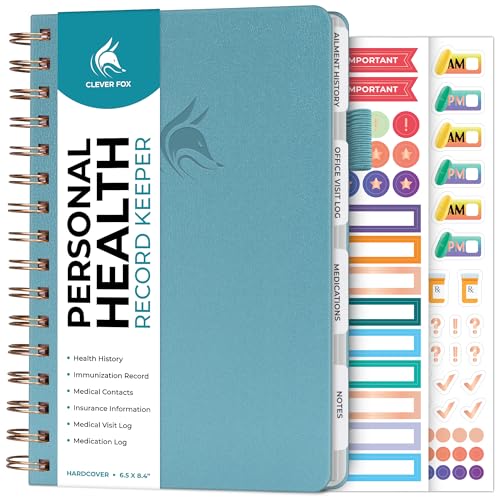
Clever Fox Personal Health Record Keeper – Medical Care Planner – Wellness & Medication Tracker Journal for Patients – Organizer Notebook, Daily Tracking Log Book & Appointment Diary (Aquamarine)
ALL YOUR HEALTH RECORDS IN ONE PLACE – This medical planner journal helps organize vital medical information including…
As an affiliate, we earn on qualifying purchases.
As an affiliate, we earn on qualifying purchases.