Telecoils, built into hearing aids and cochlear implants, help you hear better by receiving magnetic signals from loop systems installed in many public venues. When you switch your device to the telecoil setting, you’ll notice clearer sound with less background noise and echo, making conversations easier to follow. Loop systems transmit sound directly, so you don’t need extra equipment. If you want to learn how these features improve your listening experience and where to find them, keep exploring.
Key Takeaways
- Telecoils are internal coils in hearing aids and cochlear implants that receive magnetic signals from loop systems.
- Loop systems transmit audio via magnetic fields, improving sound clarity and reducing background noise.
- Activation involves switching the device to the telecoil or T-coil setting, often manually or automatically.
- These systems are effective in public venues like theaters and churches, enhancing assistive listening.
- Proper maintenance and venue compatibility are essential for optimal performance of telecoils and loop systems.

If you wear hearing aids or cochlear implants, understanding telecoils and loop systems can substantially improve your listening experience. These technologies are designed to enhance assistive listening, making it easier for you to hear clearly in environments like theaters, churches, or public venues. Telecoils, also called T-coils, are small wire coils built into many modern hearing aids and cochlear implants. When activated, they pick up magnetic signals transmitted from loop systems, bypassing background noise and focusing directly on the sound source. This feature is especially valuable in noisy settings where traditional hearing aids might struggle.
Understanding telecoils and loop systems can significantly enhance your hearing experience in public venues.
Loop systems consist of a wire loop that encircles a seating area or room, transmitting audio signals via magnetic fields. When you switch your hearing aid or cochlear implant to the telecoil setting, you receive the sound directly from the loop system. This direct transmission reduces ambient noise and improves clarity, allowing you to focus on speech without distraction. Because the sound is delivered directly to your device, you often experience less echo and reverberation, which are common issues in large or acoustically challenging venues. Additionally, loop systems are effective in reducing ambient noise, providing a clearer listening experience.
Using assistive listening devices like telecoils with hearing aids is straightforward once you understand the setup. Typically, you’ll need to switch your device to the telecoil or T-coil setting, which can be done by pressing a button or through your device’s program options. Many hearing aids automatically detect the magnetic field from a loop system, but some may require manual activation. Once activated, the audio signal from the loop system is transmitted directly to your hearing aid, giving you a clearer, more natural listening experience. This setup is especially helpful when attending events or places that have installed loop systems, as it allows you to participate more fully without constantly adjusting your hearing aids or asking for repeats.
Loop systems are increasingly common because they’re effective and easy to use. They don’t require bulky receivers or additional equipment, making them discreet and convenient. If you frequently attend venues with assistive listening systems, it’s worth checking if they have a loop system in place and ensuring your hearing aids or cochlear implants are compatible with telecoils. Proper maintenance and regular check-ups can ensure your telecoil functions correctly, giving you the best possible listening experience. [To conclude], understanding how telecoils and loop systems work can empower you to take full advantage of assistive listening technology, making your hearing aids more effective and improving your overall communication in various settings.
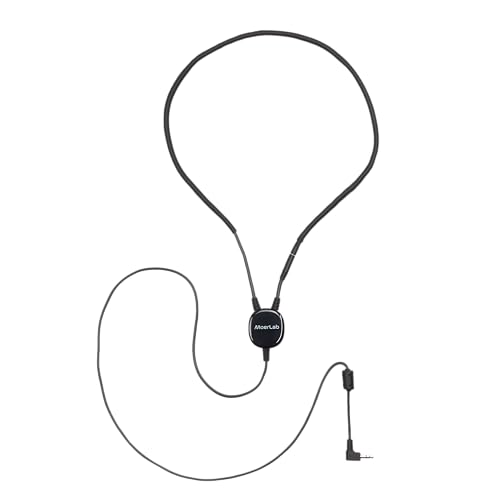
Moerlab T-Connect™ Tele-Coil Neckloop for Hearing Aids – Assistive Listening Loop with 3.5 mm Plug, Compatible with T-Coil & Cochlear Implants, for Theaters, Museums & Public Venues
【Designed for T-Coil Hearing Devices】 T-Connect is designed for hearing aids and cochlear implants equipped with a Tele-Coil…
As an affiliate, we earn on qualifying purchases.
As an affiliate, we earn on qualifying purchases.
Frequently Asked Questions
Can Telecoils Be Used With All Hearing Aid Models?
Not all hearing aid models are compatible with telecoils, as hearing aid compatibility varies. Some newer models may lack telecoil features or have limited functionality, which can cause telecoil limitations. You should check your hearing aid’s specifications or consult your audiologist to determine if your device supports telecoils. If it does, you can benefit from clearer phone calls and loop system access, but compatibility isn’t universal across all hearing aids.
Are Loop Systems Effective in Outdoor or Noisy Environments?
Loop systems are less effective outdoors or in noisy environments because outdoor challenges and noise interference can weaken their signal. You might notice reduced clarity when there’s background noise or when you’re far from the loop. To improve hearing in these conditions, consider using a hearing aid with advanced features or a portable FM system, which can better filter out background noise and deliver clearer sound directly to your device.
How Do I Know if My Hearing Aid Has a Telecoil Feature?
You can find out if your hearing aid has a telecoil feature by checking for a telecoil activation switch or program button. Many hearing aids are designed to be hearing aid compatible, so look for symbols or labels indicating telecoil functionality. If you’re unsure, consult your audiologist or review your hearing aid manual. Ensuring your device supports telecoil activation helps improve sound clarity in loop systems and compatible environments.
What Maintenance Is Required for Loop Systems?
You should regularly clean the loop system’s microphone and wiring with a soft, dry cloth to prevent dust buildup. Check connections for any loose or damaged wires. Keep the system powered off during cleaning to protect its components. Also, monitor the battery lifespan if your system uses batteries, replacing them as needed to guarantee consistent performance. Proper maintenance helps the loop system function smoothly and extends its longevity.
Are There Any Compatibility Issues With Smartphones and Loop Systems?
Think of your smartphone as a universal translator, but sometimes it struggles with loop systems. Generally, smartphones are compatible with telecoils and loop systems, especially with Bluetooth integration. However, some models might have issues like poor audio quality or interference. To guarantee smooth connection, check your device’s compatibility and update its software. With a little troubleshooting, you can enjoy clear, hands-free sound from your loop system.

Retekess TT119 Assistive Listening System, Church Translation System, Mute Function, 300m/980ft, Simultaneous Interpretation Devices for Church, Court (1 Transmitter 10 Receivers)
Seamless communication; say goodbye to distance limitations; retekess tt119 assistive listening system boast an ultra-long working distance of…
As an affiliate, we earn on qualifying purchases.
As an affiliate, we earn on qualifying purchases.
Conclusion
In brief, telecoils and loop systems substantially improve hearing experiences, especially in public spaces. Did you know that over 8 million people worldwide rely on these systems daily? By understanding how they work and where to find them, you can enhance your communication and stay connected more easily. Don’t overlook these assistive technologies—they could make all the difference in your auditory environment. Embrace the options available and enjoy clearer, more accessible conversations everywhere you go.

Williams Sound NKL 001 Neckloop 18 inch (Mono Plug), Use with hearing aids equipped with a T-coil switch or an induction earphone, Moderate to severe hearing loss, Adult size
Use with hearing aids equipped with a T-coil switch or an induction earphone
As an affiliate, we earn on qualifying purchases.
As an affiliate, we earn on qualifying purchases.
Moerlab T-Connect™ Tele-Coil Neckloop for Hearing Aids – Assistive Listening Loop with 3.5 mm Plug, Compatible with T-Coil & Cochlear Implants, for Theaters, Museums & Public Venues
【Designed for T-Coil Hearing Devices】 T-Connect is designed for hearing aids and cochlear implants equipped with a Tele-Coil…
As an affiliate, we earn on qualifying purchases.
As an affiliate, we earn on qualifying purchases.