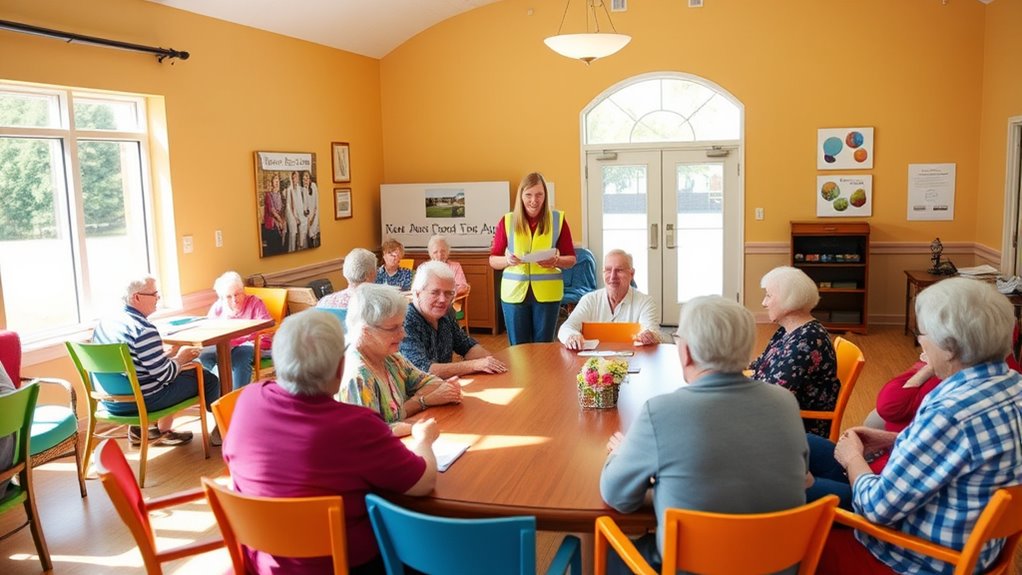

Area Agencies on Aging connect you with essential services to help maintain your independence, such as nutrition programs, home-delivered meals, and health resources. They also advocate for your rights, addressing issues like healthcare, housing, and safety. These agencies organize community activities to promote social engagement and mental well-being. If you’re interested in learning how they can support you or a loved one, there’s more to discover about their crucial role.
Key Takeaways
- Provide resources and services to help seniors maintain independence and access healthcare, nutrition, and support programs.
- Advocate for elder rights, safety, and fair treatment in healthcare, housing, and legal matters.
- Organize community programs promoting social engagement, mental health, and overall well-being for older adults.
- Offer referrals and assistance for health maintenance, legal issues, and caregiving support.
- Serve as a connection point between seniors and essential resources to enhance quality of life.
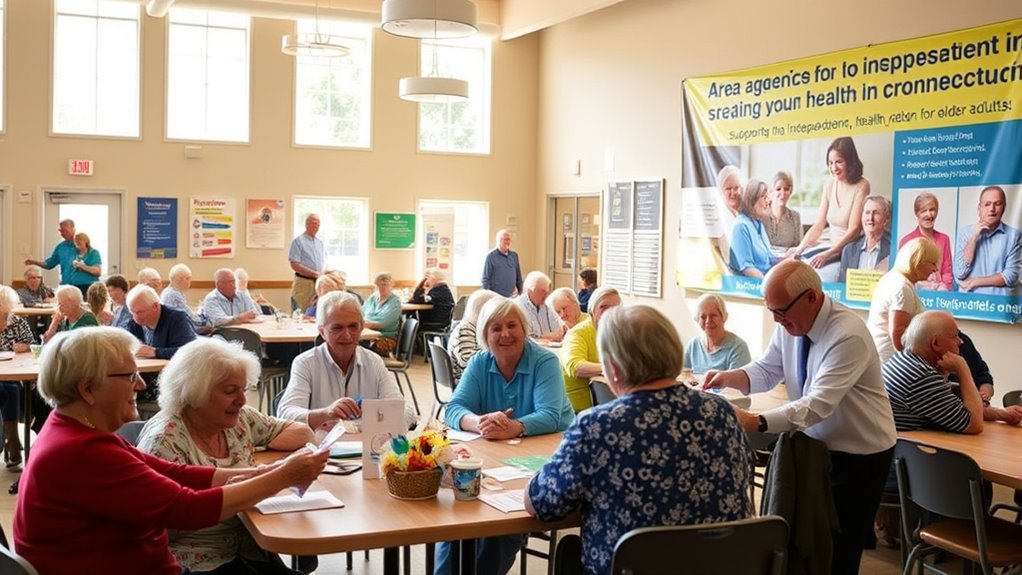
Area Agencies on Aging (AAAs) are local organizations dedicated to helping older adults maintain independence and improve their quality of life. They serve as a essential connection between seniors and the resources they need to stay healthy, active, and engaged in their communities. When it comes to senior nutrition, AAAs play a pivotal role by organizing meal programs, providing nutrition education, and connecting you with services like home-delivered meals. These efforts help guarantee that you receive balanced, nutritious food, which is necessary for maintaining your health and energy levels. Whether you’re managing chronic conditions or simply want to eat better, the support from AAAs can make a significant difference in your daily well-being.
Area Agencies on Aging support senior nutrition, health, independence, and community engagement through meal programs and educational resources.
In addition to addressing nutritional needs, AAAs are strong advocates for elder rights and elder advocacy. They work tirelessly to make certain that your voice is heard in local and state policymaking. This means they represent your interests when it comes to issues like healthcare, housing, transportation, and protection from elder abuse. When you face challenges or discrimination, AAAs can help you navigate these obstacles by connecting you with legal resources or support services. They also educate you about your rights and empower you to advocate for yourself and other seniors. This advocacy is designed to foster a sense of independence and dignity, guaranteeing you’re treated fairly and with respect.
Furthermore, AAAs coordinate a wide range of programs that promote social engagement and mental health. They organize activities, support groups, and volunteer opportunities that help you stay connected with others. Social interaction is essential in preventing loneliness and depression, which are common concerns among older adults. By participating in these programs, you not only enhance your social life but also build a stronger support network within your community. The agencies also provide information and assistance on topics like caregiving, financial management, and health services, helping you make informed decisions about your future. Additionally, understanding how to maintain oral health can be crucial for overall well-being, and some AAAs may offer resources or referrals to support good dental hygiene.
Ultimately, the work of AAAs centers on empowering you to live independently for as long as possible. They serve as a bridge to resources, advocate for your rights, and foster community involvement. Their focus on senior nutrition and elder advocacy ensures you receive the support necessary to maintain your health, safety, and dignity. When you know that these organizations are available to assist you, it becomes easier to face aging with confidence, knowing you’re not alone and that help is just a call or visit away.
Frequently Asked Questions
How Can I Find My Local Area Agency on Aging?
You can find your local Area Agency on Aging by visiting the national Eldercare Locator website or calling their helpline. They provide community outreach and can tell you about program eligibility in your area. Simply enter your ZIP code, and you’ll get contact info for your local agency. They’re there to help you access services, resources, and support tailored to your needs, making it easier to navigate aging-related programs nearby.
Are Services Available for Seniors With Disabilities?
Yes, services are available for seniors with disabilities. You can access assistive devices that help with mobility, communication, and daily tasks, making life easier. Additionally, caregiver resources offer support and guidance for those caring for loved ones with disabilities. Your local agency on aging can connect you with these services, ensuring you get the right assistance to enhance independence and quality of life for seniors with disabilities.
What Is the Eligibility Criteria for Assistance Programs?
You’re eligible for assistance programs if you’re age 65 or older, or younger with disabilities, and meet income requirements. Medicare eligibility generally covers those 65+ or with qualifying disabilities, while Medicaid benefits assist low-income individuals, including seniors. You may need to provide proof of income, residency, and health status. Contact your local Area Agency on Aging to determine your specific eligibility and get help applying for programs that suit your needs.
How Are Area Agencies on Aging Funded?
Like a trusty steed in a medieval tale, your local Area Agency on Aging is funded through a mix of sources. They rely on federal and state government grants, along with local funds and sometimes private donations. This diverse funding helps with budget allocation, ensuring they can provide essential services. You benefit from this financial support as they help seniors stay independent, safe, and connected in your community.
Can I Volunteer or Donate to Support These Agencies?
Yes, you can volunteer or donate to support these agencies. They often offer volunteering opportunities like helping with events or providing companionship to seniors. Donation options include monetary contributions, gift cards, or supplies. Your support makes a real difference in seniors’ lives, helping them access services and stay connected. Check the agency’s website or contact them directly to find out how you can get involved and make an impact today.
Conclusion
You might think these agencies only provide basic services, but they actually offer a wide range of support that can truly improve your quality of life. From healthcare resources to social activities, they’re here to help you stay independent and connected. Even if you don’t currently need assistance, knowing about these services means you’re prepared for the future. Don’t wait until it’s urgent—reach out now and discover how they can support your aging journey.