

To work effectively with patient advocates and ombudsmen, communicate clearly and respectfully, ensuring your concerns are specific and backed by relevant details. Stay honest and transparent, and listen actively to build trust. Be patient and persistent, follow up politely, and keep records of your conversations. Remember, they’re there to support your needs—not to replace healthcare providers. If you keep exploring, you’ll uncover strategies to strengthen these essential relationships.
Key Takeaways
- Clearly communicate your concerns and provide relevant documentation to facilitate effective advocacy.
- Maintain honesty and transparency to build trust with advocates and ombudsmen.
- Practice respectful dialogue and active listening to foster positive relationships.
- Understand the role of advocates and ombudsmen as support resources, not replacements for healthcare providers.
- Follow up politely, keep records, and stay patient to ensure your issues are addressed efficiently.

Guiding the healthcare system can be challenging, but working effectively with patient advocates and ombudsmen can make a significant difference. These professionals serve as essential bridges between patients and providers, helping ensure your concerns are heard and addressed. To make the most of these relationships, you need to employ effective communication strategies. Clear, respectful dialogue fosters trust and helps clarify complex medical or administrative issues. Always listen actively, ask open-ended questions, and verify your understanding to guarantee you’re on the same page. When discussing sensitive topics, it’s important to remain calm and composed, which encourages openness and cooperation. Adopting these strategies not only improves communication but also helps prevent misunderstandings that can delay resolution.
Effective communication with advocates builds trust and clarifies complex healthcare issues.
Ethical considerations also play a fundamental role when working with advocates and ombudsmen. You must approach interactions with honesty and integrity, providing accurate information without exaggeration or omission. This transparency helps advocates and ombudsmen advocate effectively on your behalf and ensures that your rights are protected. Respect for confidentiality is paramount; share only what’s necessary and trust that professionals will handle your information responsibly. Recognize that advocates and ombudsmen are bound by ethical standards to act impartially, so you should also be respectful of their role and decisions, even when disagreements arise. Maintaining a collaborative attitude fosters a more productive relationship and encourages a focus on solutions rather than conflicts.
It’s also essential to understand the scope of an advocate’s or ombudsman’s role. They are there to assist you, but they do not replace healthcare providers or administrative bodies. Clarifying their responsibilities early on can prevent frustrations or misunderstandings. When you approach them with your concerns, be specific about what you seek or need, and provide relevant documentation if available. This preparation streamlines the process and demonstrates your commitment to resolving issues constructively.
Building a positive relationship with patient advocates and ombudsmen requires patience and persistence. Recognize that they often handle multiple cases and may need time to gather information or escalate concerns. Stay engaged, follow up politely, and keep records of your communications. By applying good communication strategies, respecting ethical considerations, and maintaining a cooperative approach, you can effectively navigate the healthcare system and advocate for your needs. Remember, these professionals are there to support you, and working together with clarity and integrity can lead to better outcomes and a more empowered healthcare experience. Additionally, understanding the importance of cookie usage can help you better navigate online healthcare resources and protect your privacy.

The Patient / Advocate Journal: a guide to help navigate the medical details for you or your loved one
As an affiliate, we earn on qualifying purchases.
As an affiliate, we earn on qualifying purchases.
Frequently Asked Questions
How Do I Find a Patient Advocate or Ombudsman in My Area?
To find a patient advocate or ombudsman in your area, start by checking community resources like local hospitals or healthcare organizations. You can also browse online directories, which list advocates and ombudsmen by location. Reach out to these organizations directly to ask about available support. Many communities have specific programs, so a quick online search combined with calling local health facilities can help you connect with the right advocate or ombudsman quickly.
What Qualifications Should a Good Patient Advocate or Ombudsman Have?
Did you know that 85% of patients report better care when they work with advocates? A good patient advocate or ombudsman should have strong communication skills to effectively listen and explain complex medical info. They also need solid medical knowledge to understand your situation and navigate healthcare systems. Look for someone with relevant experience, good references, and a compassionate attitude to guarantee they truly support your needs.
Can Patient Advocates or Ombudsmen Assist With Legal Issues?
Yes, patient advocates and ombudsmen can provide some legal support, but their advocacy is limited. They help you understand your rights, navigate healthcare policies, and advocate on your behalf, but they don’t offer legal advice or represent you in court. If your legal issues are complex, they’ll recommend you consult a qualified attorney. Their primary role is support and guidance, not legal advocacy or litigation.
Are There Costs Associated With Hiring a Patient Advocate or Ombudsman?
You might wonder if there are costs involved when hiring an advocate or ombudsman. Generally, advocate fees and service costs vary depending on the organization or individual. Some advocates offer free services, especially non-profit groups, while others charge for their time and expertise. It is crucial to ask upfront about any potential fees to avoid surprises, and many organizations provide clear information about their service costs before you commit.
How Do I Escalate Concerns if Unsatisfied With Advocacy Services?
If you’re unsatisfied with advocacy services, start by reviewing the facility’s complaint procedures. Clearly communicate your concerns and request conflict resolution options. You can escalate the issue by speaking with a supervisor or administrator, or filing a formal complaint through the institution’s formal channels. Persist in seeking resolution until your concerns are addressed, ensuring your voice is heard and your rights are protected through proper complaint procedures.
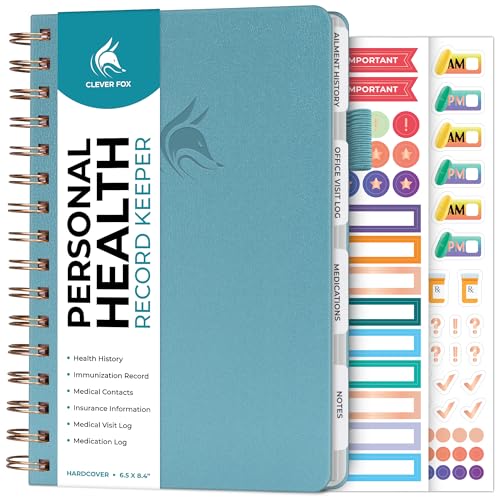
Clever Fox Personal Health Record Keeper – Medical Care Planner – Wellness & Medication Tracker Journal for Patients – Organizer Notebook, Daily Tracking Log Book & Appointment Diary (Aquamarine)
ALL YOUR HEALTH RECORDS IN ONE PLACE – This medical planner journal helps organize vital medical information including…
As an affiliate, we earn on qualifying purchases.
As an affiliate, we earn on qualifying purchases.
Conclusion
Working with patient advocates and ombudsmen is like tending a garden—you help nurture understanding and trust to help your care flourish. When you listen and collaborate, you create a supportive environment where concerns are addressed and resolutions bloom. By valuing their role, you’re planting the seeds for better communication and stronger relationships. Remember, just as a garden thrives with care, so does your partnership with advocates and ombudsmen, leading to healthier, happier outcomes.

Improving Healthcare Through Advocacy: A Guide for the Health and Helping Professions
As an affiliate, we earn on qualifying purchases.
As an affiliate, we earn on qualifying purchases.

Medical Trauma: Assessment Tools, Coping Skills, and Recovery Strategies for Survivors and Therapists
As an affiliate, we earn on qualifying purchases.
As an affiliate, we earn on qualifying purchases.