
Seasonal temperature changes cause your home materials to expand and contract, which can lead to gaps, cracks, or warping if not managed properly. Metals react quickly, while wood and drywall absorb moisture and shrink or swell with humidity shifts. These movements weaken joints and can damage your home’s structure over time. Understanding how these natural responses work helps you take better preventative steps. Continue exploring to learn how to protect your home from seasonal expansion issues more effectively.
Key Takeaways
- Seasonal temperature changes cause materials like wood, metal, and concrete to expand or contract, potentially leading to gaps or cracks.
- Rapid thermal responses in metals can create internal stresses and joint damage during temperature fluctuations.
- Moisture absorption during humid seasons causes materials like wood to swell, increasing expansion-related stress.
- Freezing moisture can worsen expansion effects, leading to cracks and structural damage in vulnerable materials.
- Proper material selection and moisture management help mitigate expansion issues and prolong home durability.
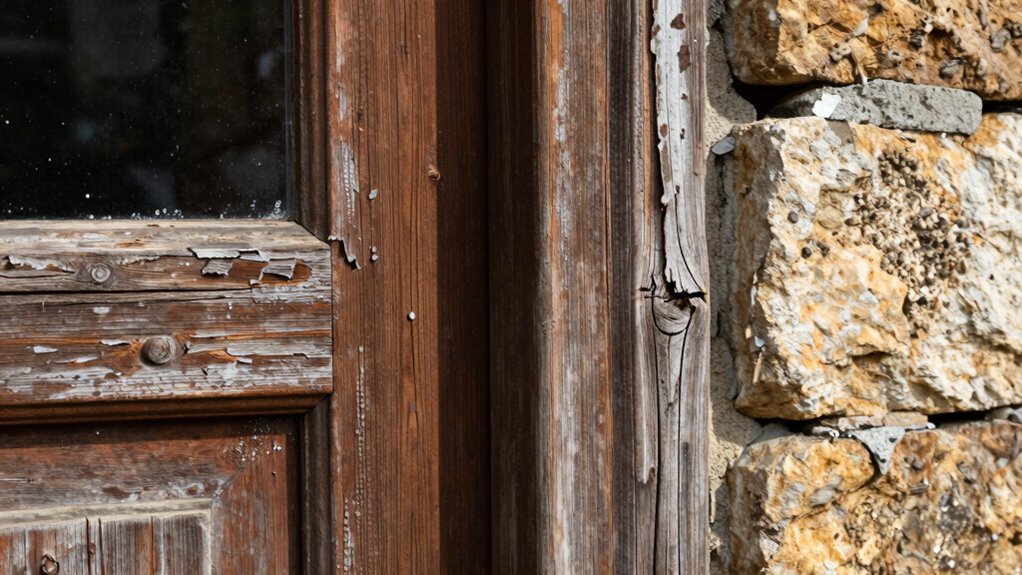
Have you ever noticed how your home materials seem to change with the seasons? It’s not just in your imagination. As temperatures fluctuate, so do the properties of the materials in your house. This seasonal expansion happens because materials respond to environmental changes, affecting their integrity and performance over time. When temperatures drop or rise, materials like wood, concrete, and metal expand or contract. This movement can lead to gaps, cracks, or warping if not properly managed. Understanding how these changes occur helps you better maintain your home and prevent costly repairs.
One key factor influencing how materials expand and contract is their thermal conductivity. Materials with high thermal conductivity, like metals, quickly transfer heat, causing them to respond more rapidly to temperature shifts. This rapid response means they expand or contract faster, which can create stress within the material itself or at junctions where different materials meet. Conversely, materials with low thermal conductivity, such as insulation or certain plastics, change temperature more slowly, reducing the risk of sudden expansion or contraction. Recognizing these differences enables you to make smarter choices about which materials to use in specific parts of your home, especially in regions with significant seasonal temperature swings.
High thermal conductivity materials expand faster, requiring careful selection to prevent stress and damage in seasonal temperature changes.
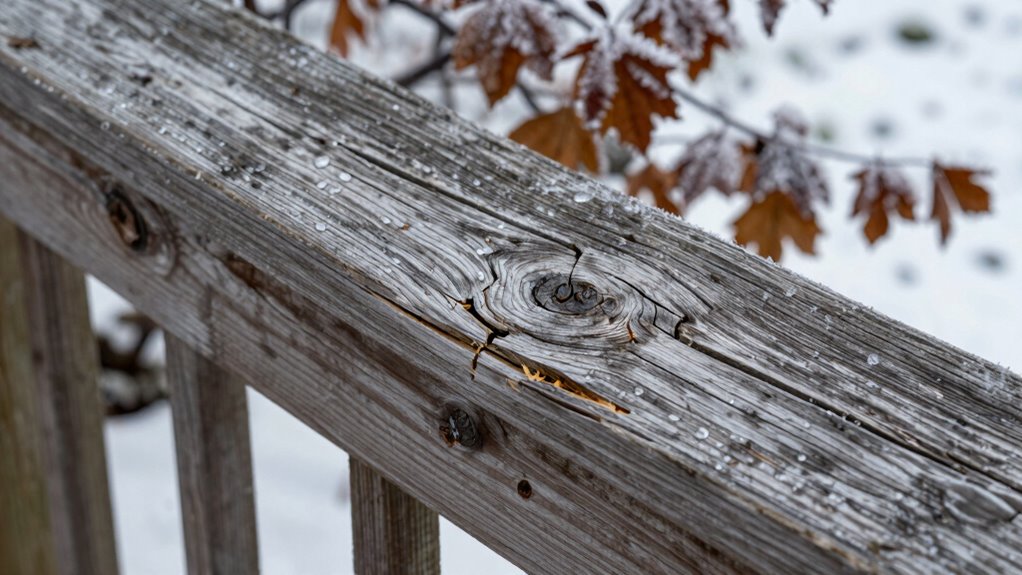
Moisture absorption plays an equally important role in how materials respond to seasonal changes. During humid months, materials like wood and drywall absorb moisture from the air, causing them to swell and become more prone to expansion. When winter arrives and the air dries out, these materials release moisture and shrink back. This continual process can weaken joints, cause warping, or create gaps that compromise the insulation and overall stability of your home. Metal and concrete are less affected by moisture absorption but can still be influenced by moisture-related expansion if water infiltrates cracks and freezes, adding stress and potentially leading to damage. Additionally, thermal expansion can be exacerbated by moisture, further amplifying material movement during seasonal changes. A thorough understanding of material properties can help you select better-suited materials for your climate and reduce seasonal stress on your home. Being aware of moisture-related expansion can also inform your choices in ventilation and humidity control, which are crucial in minimizing damage. Properly managing moisture levels within your home can significantly reduce the risk of seasonal expansion issues and extend the lifespan of your structure. Furthermore, using moisture-resistant materials in vulnerable areas can mitigate some of these effects and prolong the lifespan of your home’s structure.
seasonal expansion home materials
As an affiliate, we earn on qualifying purchases.
As an affiliate, we earn on qualifying purchases.
Frequently Asked Questions
How Can Homeowners Detect Seasonal Expansion Issues Early?
You can detect seasonal expansion issues early by regularly inspecting your home’s materials for cracks, gaps, or warping, especially around windows and doors. Look for signs of material durability problems that may indicate expansion or contraction. To prevent further damage, guarantee proper expansion prevention measures are in place, like flexible sealants and proper installation techniques. Addressing issues early helps maintain your home’s integrity and avoids costly repairs later.
Does Seasonal Expansion Affect All Types of Home Materials Equally?
Think of your home materials as dancers, each with their own rhythm—seasonal expansion doesn’t affect them all equally. Some materials, like wood and metal, are more prone to movement, while others, like brick or concrete, resist it better. Material compatibility plays a vital role, and expansion mitigation techniques help prevent damage. Understanding these differences helps you protect your home from seasonal shifts, ensuring longevity and structural integrity.
Are There Specific Seasons That Cause More Expansion-Related Problems?
Yes, certain seasons cause more expansion-related problems due to temperature fluctuations. During hot summers, materials like wood and vinyl expand more, risking warping or cracking. Cold winters also lead to contraction, possibly causing gaps or structural issues. Your home’s material durability is tested most during these extreme seasons. To prevent damage, consider using materials designed to withstand seasonal changes and guarantee proper installation and maintenance.
How Does Seasonal Expansion Impact Home Insulation Effectiveness?
Seasonal expansion reduces your home insulation‘s effectiveness because thermal movement causes materials to shift and create gaps. As temperatures fluctuate, materials experience stress, which can lead to cracks or gaps in insulation. These gaps allow air to escape or enter, undermining insulation’s purpose. To maintain efficiency, you should regularly inspect and seal any gaps caused by seasonal expansion, ensuring your home stays comfortable and energy-efficient year-round.
Can Seasonal Expansion Lead to Long-Term Structural Damage?
Yes, seasonal expansion can cause long-term structural damage if materials aren’t flexible enough. Imagine a homeowner noticing cracks in their foundation after a harsh winter—these cracks result from repeated expansion and contraction. Material flexibility is essential to absorb these movements, and expansion prevention measures protect your home. Without proper precautions, ongoing seasonal shifts can weaken structural integrity, leading to costly repairs and safety risks over time.
Conclusion
As the seasons change, you might notice subtle shifts in your home’s materials—cracks, creaks, or gaps that weren’t there before. These tiny signs hint at the ongoing dance of expansion and contraction, silently testing your home’s resilience. But what will happen if these movements go unnoticed or untreated? Stay vigilant, because understanding this seasonal rhythm could be the key to protecting your home—before the changes become more than just a minor inconvenience. The next season may hold the answer.