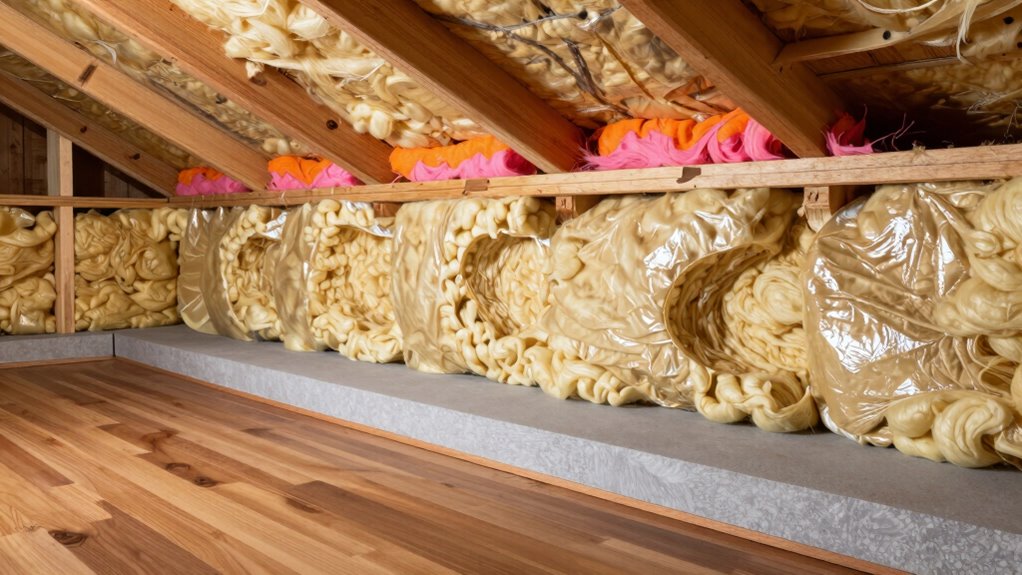

For your attic, consider fiberglass batts for affordability or spray foam for superior sealing and energy savings. Walls can be retrofitted with blown-in cellulose or fiberglass, while new constructions benefit from spray foam for high R-value. Floors over unconditioned spaces work well with rigid foam boards or fiberglass batts, especially when moisture barriers are involved. Choosing the right insulation depends on your space, budget, and climate—keep exploring to discover more about each option.
Listen free for 30 days with Audible
Thousands of audiobooks and originals — cancel anytime.
As an affiliate, we earn on qualifying purchases.
Key Takeaways
- Fiberglass batts are affordable and easy for DIY attic and wall insulation projects.
- Spray foam offers superior air sealing and high R-value for attics and walls, ideal for long-term savings.
- Blown-in cellulose efficiently insulates existing walls and attics, providing good thermal performance and soundproofing.
- Rigid foam boards and fiberglass batts are suitable for floor insulation, especially over unconditioned spaces.
- Insulation choice depends on area, budget, climate, and whether the installation is retrofit or new construction.
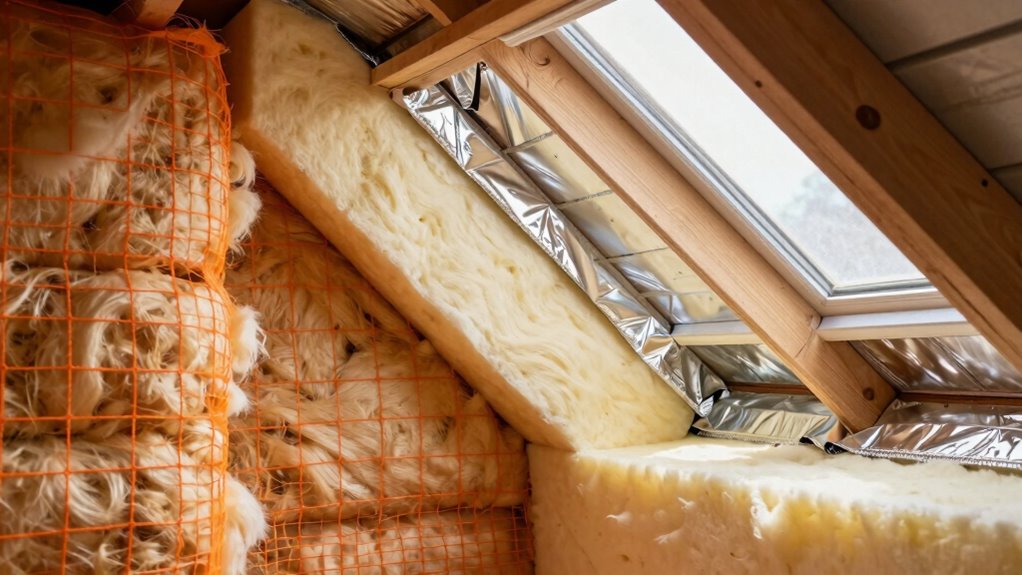
Ever wondered what types of insulation can best improve your home’s energy efficiency? Choosing the right insulation depends on several factors, including the area you’re insulating—attics, walls, or floors—and your budget. When considering insulation installation, it’s vital to evaluate different options based on their R-values, cost, and suitability for your specific space. Conducting an insulation cost analysis helps you understand the upfront investment versus long-term savings in energy bills, making it easier to pick the most efficient and affordable solution.
Choosing the right insulation improves energy efficiency and saves money long-term.
For attics, fiberglass batts are a popular choice because they’re affordable and straightforward to install. They fit easily between joists and can be a DIY project if you’re comfortable handling insulation materials safely. Spray foam insulation, on the other hand, offers superior air sealing qualities, which can markedly reduce energy loss. Although spray foam has a higher insulation cost analysis upfront, its long-term benefits often justify the expense by lowering heating and cooling costs. Blown-in cellulose is another option for attics, especially if you need to insulate existing structures without extensive renovations. It fills gaps more effectively than batts, providing better thermal performance and soundproofing.
When it comes to walls, insulating options vary depending on whether you’re building new or retrofitting. For existing walls, blown-in cellulose or fiberglass can be injected through small holes, minimizing drywall damage. This approach offers good insulation at a reasonable cost, and the installation process tends to be less disruptive. Additionally, retrofit insulation techniques can enhance the overall thermal performance of your home. For new construction, spray foam is a top contender because it creates a seamless barrier, improving energy efficiency. Its high R-value per inch makes it a cost-effective choice over time, despite higher initial costs. Additionally, advances in insulation technology have introduced eco-friendly options that can enhance sustainability without sacrificing performance. Incorporating proper installation techniques is essential to maximize insulation effectiveness and prevent issues like gaps or compression.
Floors, especially those over unconditioned spaces like garages or basements, benefit from rigid foam boards or fiberglass bat insulation. Rigid foam boards are durable and provide excellent insulation, but they require careful installation to prevent air leaks. Fiberglass batts are easier to handle and install, making them a practical choice for many homeowners. Always consider moisture barriers when insulating floors to prevent mold and rot. Properly installed insulation can also help reduce noise transfer, increasing comfort within your home.
Ultimately, the best insulation for your home depends on your specific needs, climate, and budget. Investing in proper insulation installation can lead to energy savings and increased comfort. Balancing insulation cost analysis with performance ensures you choose options that deliver long-term value, making your home more efficient and comfortable year-round.
fiberglass attic insulation batts
As an affiliate, we earn on qualifying purchases.
As an affiliate, we earn on qualifying purchases.
Frequently Asked Questions
How Do I Choose the Best Insulation for My Climate?
To select the best insulation for your climate, consider your local temperature extremes and humidity levels. You should also evaluate attic ventilation, which helps prevent moisture buildup, and adjust insulation thickness accordingly for maximum energy efficiency. In colder climates, increase insulation thickness to retain heat, while in warmer areas, use insulation that keeps heat out. Tailoring these factors ensures your home stays comfortable year-round.
Are There Eco-Friendly Insulation Options Available?
Yes, eco-friendly insulation options are available, like a breath of fresh air for your home. You can opt for sustainable materials such as sheep’s wool, cellulose, or cork, which naturally insulate while reducing environmental impact. These sustainable options act like a gentle hug for your space, offering warmth without harming the planet. Choosing eco-conscious insulation helps protect the environment and creates a healthier, more sustainable home.
What Is the Average Lifespan of Different Insulation Types?
The average lifespan of insulation varies based on material durability and longevity. Fiberglass typically lasts around 20-30 years, while cellulose can last up to 30 years if protected from moisture. Spray foam insulation often endures 80-100 years due to its durability. Proper installation and maintenance can extend insulation’s longevity, ensuring it continues to provide effective thermal protection over time.
Can Insulation Help Reduce Allergy Symptoms?
Yes, insulation can help reduce allergy symptoms by blocking airborne allergens like pollen, pet dander, and dust mites from entering your home. Effective insulation materials create a barrier, trapping allergens outside and keeping indoor air cleaner. When you improve insulation, you’re not only enhancing energy efficiency but also creating a healthier environment, reducing allergy triggers, and making your living space more comfortable and allergen-free.
How Much Does Insulation Installation Typically Cost?
The cost of insulation installation varies depending on the type and area, but you can expect to pay between $1,500 and $3,500 for a standard project. To make an informed decision, do a cost comparison of materials and labor. Use installation tips like sealing leaks beforehand and hiring experienced professionals to guarantee efficiency and avoid unnecessary expenses. Planning ahead helps you get the best value for your investment.
Conclusion
Choosing the right insulation can feel overwhelming, but remember, it’s not just about saving energy—it’s about creating a comfortable home. Like a cozy blanket on a chilly night, proper insulation keeps your space warm and inviting. Without it, drafts and cold spots can take over, making your home less inviting. So, invest wisely. Because, in the end, a well-insulated house isn’t just a building—it’s your sanctuary from the elements.
NFL season / tailgating Picks
team gear
As an affiliate, we earn on qualifying purchases.