

Recognizing stroke warning signs quickly can save lives and prevent long-term disability. Use the FAST method: check for Face drooping when asking someone to smile, look for Arm weakness by raising both arms, listen for Speech difficulties, and remember Time to call emergency services immediately if any signs appear. Acting fast is critical, as every minute counts. If you want to know more about how to respond effectively, keep exploring how you can be prepared.

Get comfort and care essentials delivered free — and shop member deals
- Fast, free delivery on millions of items
- Access to Prime Big Deal Days deals on October 6–7
- Prime Video, Amazon Music and more included
Key Takeaways
- Recognize stroke signs using the FAST method: Face drooping, Arm weakness, Speech difficulties, and Time to act.
- Face drooping indicates facial nerve involvement, often uneven or slackness.
- Weakness or inability to lift both arms suggests potential brain damage.
- Slurred or incoherent speech signals affected language areas in the brain.
- Immediate emergency response by calling 911 can save lives and reduce long-term disability.
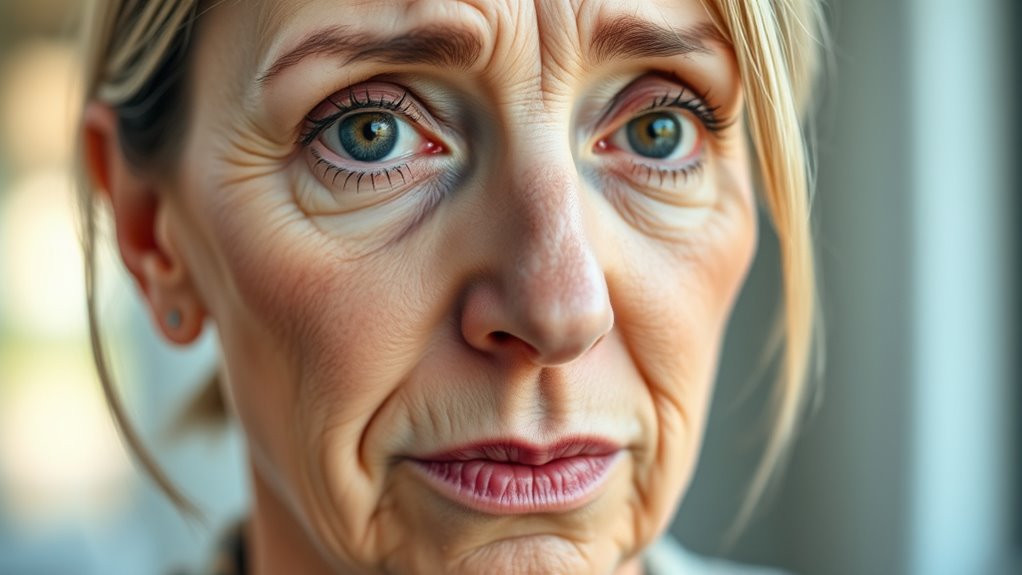
Recognizing the warning signs of a stroke can save lives, and knowing the FAST method is essential for quick action. When someone shows signs of a stroke, immediate response is critical to minimize brain injury and improve their chances of recovery. A stroke occurs when blood flow to a part of your brain is blocked or reduced, leading to brain injury. The faster you respond, the more likely you are to prevent long-term damage and ensure the person gets the emergency response they need.
The FAST method is a simple, effective way to identify stroke symptoms quickly. F stands for Face. If you notice someone’s face drooping or uneven, it’s a strong signal that they might be having a stroke. Ask them to smile; if one side of their face doesn’t move or looks uneven, that’s a warning sign. A is for Arms. Have the person raise both arms. If one arm drifts downward or they can’t lift it properly, it indicates a potential stroke. S stands for Speech. Listen for slurred speech, difficulty speaking, or trouble understanding. Ask them to repeat a simple phrase; if their words are jumbled or they can’t speak coherently, it’s a critical sign of a stroke. T is for Time. If you observe any of these signs, don’t wait—call emergency services immediately. Every minute counts in reducing brain injury and preventing severe disability.
Your quick response not only helps the individual avoid further brain damage but also initiates a rapid emergency response from medical professionals. Prompt treatment can markedly improve outcomes, so don’t hesitate. While calling for help, stay with the person and keep them calm. If they are conscious, encourage them to sit or lie down comfortably and avoid giving them food or drink. Keep track of the symptoms and when they started, as this information can be essential for healthcare providers. Remember, a stroke is a medical emergency, and delay can lead to irreversible brain injury or death.
Knowing these signs and acting swiftly can make a life-changing difference. Your awareness and rapid response can help prevent severe brain injury, reduce the risk of long-term disability, and save a life. The key is recognizing the symptoms early and understanding that immediate medical intervention is essential. The FAST method simplifies this process and empowers you to act confidently when every second counts. By staying alert and prepared, you become an important part of the emergency response team, ensuring that those affected receive prompt care and the best chance for recovery.
As an affiliate, we earn on qualifying purchases.
Frequently Asked Questions
How Can I Prevent a Stroke From Occurring?
You can prevent a stroke by managing your blood pressure and quitting smoking. Keep your blood pressure in check through a healthy diet, regular exercise, and medication if needed. Smoking cessation reduces your risk markedly, as smoking damages blood vessels and increases clot formation. Staying active, maintaining a healthy weight, and limiting alcohol intake also help lower your stroke risk. Taking these steps can make a big difference in stroke prevention.
Are There Different Types of Strokes?
There are different types of strokes, each with unique causes and characteristics. Ischemic strokes occur when blood flow to the brain is blocked, while hemorrhagic strokes happen due to bleeding in the brain. Transient ischemic attacks resemble strokes but are temporary. Recognizing these stroke classifications helps you understand the risks and symptoms, ensuring you seek prompt care and take preventive measures to reduce your chances of experiencing a stroke.
What Lifestyle Changes Reduce Stroke Risk?
You can reduce your stroke risk by adopting a healthy diet rich in fruits, vegetables, and whole grains, and limiting saturated fats and sodium. Regular exercise helps you maintain a healthy weight, lower blood pressure, and improve circulation. Avoid smoking and excessive alcohol consumption. Managing stress and controlling conditions like diabetes and high cholesterol also play essential roles. These lifestyle changes substantially decrease your chances of experiencing a stroke.
How Long Does Recovery From a Stroke Take?
Recovery from a stroke is like climbing a mountain—it’s a gradual process that varies for each person. It can take weeks, months, or even years, depending on the severity and individual circumstances. During stroke rehabilitation and post-stroke therapy, you work on regaining strength and skills. Patience is key, and consistent effort helps you progress. Remember, every small step forward is a victory on your healing journey.
Can Younger People Experience Strokes?
Yes, young adults can experience strokes, although it’s less common. Factors like genetic conditions, lifestyle choices, and health issues can increase stroke risk in younger people. If you notice sudden symptoms such as weakness, speech difficulties, or vision changes, seek medical help immediately. Don’t assume stroke only affects older adults; awareness of stroke risk in young adults can save lives and improve recovery outcomes.
Conclusion
Knowing the stroke warning signs and acting FAST can save your life or someone else’s—it’s like having a superhero power in your hands. Don’t ignore even the tiniest symptoms; they could be the difference between a full recovery and a lifetime of consequences. When every second counts, your quick response can be the difference between a miracle and a tragedy. Stay vigilant, stay prepared, and remember: you hold the key to saving a life—possibly even your own.
Fall Picks
fall essentials
As an affiliate, we earn on qualifying purchases.