

Alzheimer’s progresses through early, middle, and late stages, each marked by specific milestones. In early stages, you might notice subtle memory lapses and difficulty with familiar tasks. As the disease advances, forgetfulness worsens, communication becomes challenging, and everyday activities are affected. In later stages, individuals lose independence and rely entirely on caregivers. Understanding these stages helps you recognize signs early, plan care accordingly, and supports ongoing management—if you’re curious about the full progression, there’s more to learn below.
Key Takeaways
- Alzheimer’s progresses through early, middle, and late stages, each marked by increasing memory loss and cognitive decline.
- Early milestones include forgetfulness and difficulty with familiar tasks, often mistaken for normal aging.
- Middle stages involve significant memory gaps, confusion, and challenges with daily activities and communication.
- Late stages feature severe cognitive impairment, loss of independence, and reliance on caregivers for basic needs.
- Recognizing milestones helps in planning care, treatment, and support to improve quality of life throughout disease progression.

Alzheimer’s disease progresses gradually, often beginning with subtle memory lapses that many people dismiss as normal aging. At this early stage, recognizing the signs can be challenging, but an early diagnosis is essential. When you catch the disease early, you gain access to treatments that may slow its progression and improve quality of life. An early diagnosis also gives you valuable time to plan for the future, guaranteeing that your needs and preferences are understood and respected. It’s equally important for your loved ones and caregivers, as timely detection allows them to prepare emotionally and practically for the changes ahead. Support from caregivers becomes indispensable during this phase, as they help manage daily routines, monitor symptoms, and provide emotional reassurance. Having a strong support system can reduce feelings of confusion or frustration and help you maintain independence longer. Recognizing early symptoms can also help reduce the stigma often associated with the disease, encouraging more open conversations and timely medical consultations.
As the disease advances, memory loss becomes more pronounced. You might forget recent conversations, misplace belongings, or struggle with familiar tasks. This is when early diagnosis truly makes a difference, because it allows your caregivers to implement strategies that promote safety and comfort. They can help you establish routines, simplify tasks, and use memory aids, all of which help you stay engaged and active. Caregiver support also involves managing your emotional well-being, as increased forgetfulness and confusion can lead to anxiety or depression. When caregivers are aware of what to expect, they can better handle behavioral changes and provide reassurance, helping you feel secure even as the disease progresses.
In later stages, cognitive decline becomes more severe, affecting your ability to communicate and perform basic activities. At this point, early diagnosis has already helped set the stage for appropriate care planning. Your caregivers will focus on ensuring your safety and comfort, possibly involving professional assistance or specialized facilities. The importance of early diagnosis in these later stages can’t be overstated — it allows your loved ones to make informed decisions about your care and ensures that you receive the support you need. Throughout all stages, ongoing caregiver support remains essential, as it helps you maintain dignity and quality of life despite the progression of the disease. Recognizing the early signs and seeking help promptly can make a significant difference in managing Alzheimer’s disease effectively, giving you and your loved ones a better chance to navigate each milestone with compassion and understanding.

Alzheimers Activities for Seniors – Memory Training Products for Dementia Elderly Wooden Gifts for Adults Patients with Dementia
Improve Memory with Alzheimers Activities – With twenty-four wooden pieces in six colors, a dice, and a wooden…
As an affiliate, we earn on qualifying purchases.
As an affiliate, we earn on qualifying purchases.
Frequently Asked Questions
Can Alzheimer’s Progression Be Slowed With Medication?
Yes, medication efficacy varies, but treatment options can slow Alzheimer’s progression. Drugs like cholinesterase inhibitors and memantine help improve symptoms and may delay cognitive decline. While they don’t cure the disease, taking these medications early can make a difference. You should work closely with your healthcare provider to determine the best treatment plan, as ongoing research continues to explore new options that could better manage the condition.
Are There Early Signs Before Memory Loss Appears?
Did you know that early detection of Alzheimer’s can improve management? Before memory loss appears, you might notice subtle symptoms like changes in mood or difficulty concentrating. These subtle symptoms are often overlooked but are key early signs. Recognizing these signs allows you to seek medical advice sooner, which can slow progression. Stay attentive to these early signs for better intervention and support in managing the disease.
How Does Alzheimer’s Affect Daily Living Activities?
Alzheimer’s impacts your daily living activities by causing memory decline and increasing daily challenges. You might forget important appointments, struggle to find words, or lose track of tasks. As the disease progresses, simple activities like cooking, dressing, or managing finances become harder. You’ll need more assistance, and routines that once seemed easy now require extra effort. Recognizing these changes early helps you or loved ones plan for necessary support.
Is There a Way to Predict the Disease’s Course?
You can potentially predict Alzheimer’s course through biomarker detection and genetic testing. These methods are like having an early warning system, revealing the disease’s trajectory before symptoms even appear. While not foolproof, advancements suggest you might soon forecast how quickly it will progress, allowing for better planning and treatment. Stay proactive—talk with your doctor about these cutting-edge tools to gain insights into your future health.
What Support Options Are Available for Caregivers?
You can find support through respite care, which gives you temporary relief, and caregiver support groups, where you connect with others facing similar challenges. Respite care allows you to rest and recharge, helping prevent burnout. Support groups offer emotional comfort, practical advice, and shared experiences. Both options are essential in managing stress and maintaining your well-being while caring for someone with Alzheimer’s. Reach out to local organizations to explore available resources.
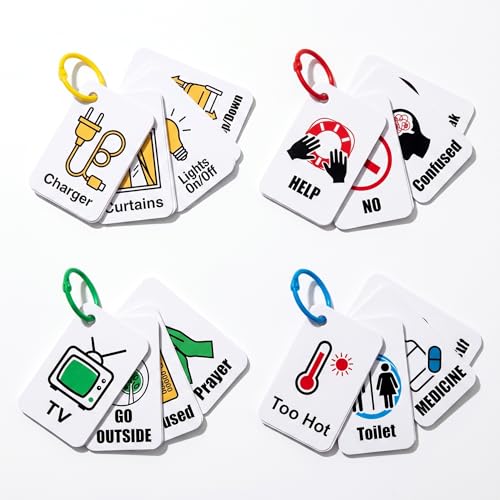
Aphasia Communication Cards for Adults & Stroke Survivors, Non Verbal Communication Board & AAC Aid, Dementia Products for Elderly, Speech Therapy Materials for Recovery
IMMEDIATE COMMUNICATION BRIDGE – Designed as an essential non-verbal communication tool for adults suffering from Aphasia, Stroke, or…
As an affiliate, we earn on qualifying purchases.
As an affiliate, we earn on qualifying purchases.
Conclusion
So, as you watch Alzheimer’s slowly take away memories, you might find it ironic that the very journey aims to teach us about the importance of cherishing each moment. While the progression feels relentless, it also reminds us to value our loved ones now, before memories fade. In the end, the disease’s quiet march highlights life’s fleeting beauty—an unintended lesson in living fully, even as memories start to slip away.

Luvsweets Alzheimer's Awareness Decorations Stickers – 1000Pcs Inspirational Purple Ribbon Stickers, Alzheimer's Awareness Products Decals, Waterproof Vinyl Decals for Laptop Water Bottle, 16 Designs
1000pcs Alzheimer’s Awareness Stickers: Raise alzheimers awareness and show support for Alzheimer's patients and their families with these…
As an affiliate, we earn on qualifying purchases.
As an affiliate, we earn on qualifying purchases.
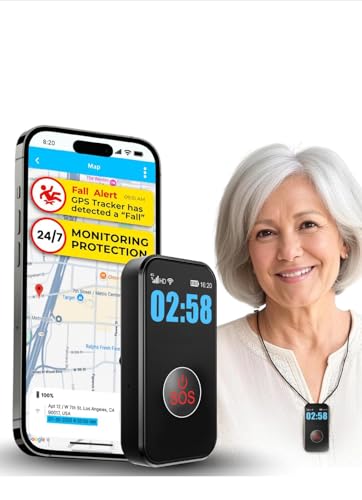
SecuLife New 2026 Fall Alert Device, Medical Alert Pendant with for Seniors, SOS Call, GPS Tracking – Wearable Emergency Necklace for Elderly, Waterproof, 2-Way Calling, Panic Button
❤️ 𝐌𝐞𝐝𝐢𝐜𝐚𝐥 𝐀𝐥𝐞𝐫𝐭 𝐏𝐞𝐧𝐝𝐚𝐧𝐭 𝐰𝐢𝐭𝐡 𝐅𝐚𝐥𝐥 𝐃𝐞𝐭𝐞𝐜𝐭𝐢𝐨𝐧: Designed for seniors and individuals with medical conditions, this wearable alert…
As an affiliate, we earn on qualifying purchases.
As an affiliate, we earn on qualifying purchases.