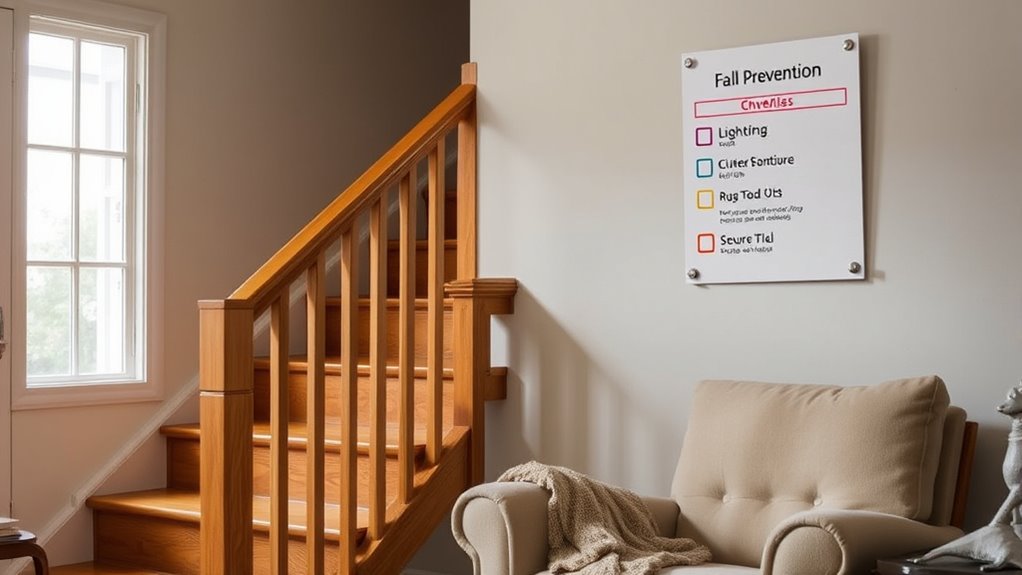

To prevent falls throughout your home, start by inspecting each room for hazards like loose rugs, clutter, and uneven flooring, securing or removing issues immediately. Install grab bars, sturdy handrails, and non-slip mats where needed, especially in bathrooms and stairways. Keep pathways clear, improve lighting, and fix damaged surfaces. Incorporate mobility exercises to strengthen your balance and flexibility. For a complete plan to keep your home safe, get ready to explore detailed tips below.
Key Takeaways
- Identify and secure loose rugs, clutter, and uneven flooring to eliminate trip hazards throughout the home.
- Install grab bars, sturdy handrails, and non-slip mats in bathrooms, staircases, and key areas for added support.
- Ensure adequate lighting in hallways, stairways, and dark corners to improve visibility and prevent falls.
- Regularly inspect and repair flooring, steps, and other surfaces to maintain a safe walking environment.
- Incorporate mobility exercises to strengthen muscles, improve balance, and boost confidence in movement.
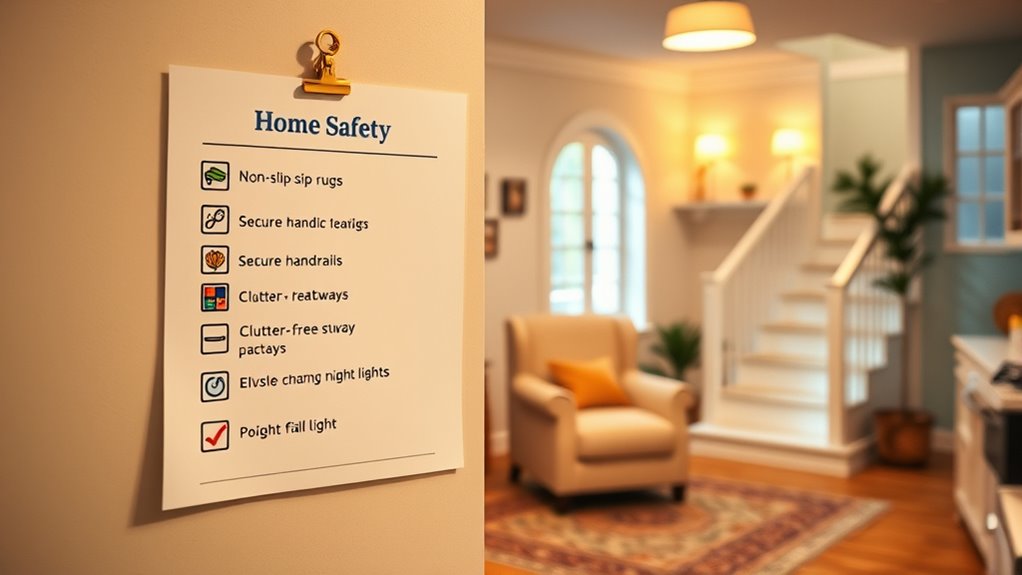
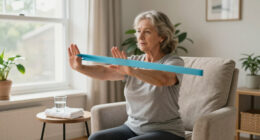
Falls are a leading cause of injury among adults of all ages, but many can be prevented with simple adjustments around your home. One effective way to reduce your risk is by focusing on improving your mobility through targeted exercises. Regular mobility exercises help strengthen muscles, improve balance, and increase flexibility, making it easier to navigate your environment safely. Incorporate activities like gentle stretching, leg lifts, and balance drills into your routine to build stability. The more confident you feel moving around, the less likely you are to stumble or lose your footing. Always consult a healthcare professional before starting any new exercise program, especially if you have existing health issues or mobility concerns.
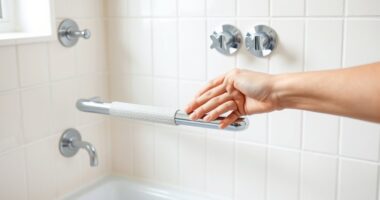
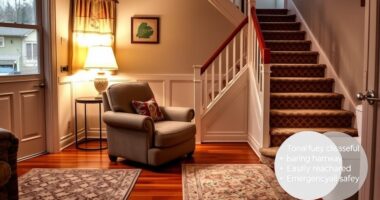
Beyond personal fitness, paying close attention to environmental hazards is essential. Your home can harbor hidden dangers that increase fall risk, such as loose rugs, clutter, or uneven flooring. Securing loose carpets or removing throw rugs that don’t have non-slip backing can prevent tripping. Keep walkways clear of clutter, wires, and furniture that might obstruct your path. Make sure that lighting is bright and evenly distributed throughout your home, especially in hallways and staircases, so you can see potential hazards clearly. Installing grab bars near the toilet and in the shower, along with sturdy handrails along staircases, provides additional support when you need it most. Fixing uneven or damaged flooring and ensuring that steps are well-lit and marked can also prevent accidental slips.
Other environmental adjustments include organizing your living space to minimize the need to reach or stretch for items, which can cause loss of balance. Using non-slip mats in the bathroom and kitchen adds extra traction on slippery surfaces. Regularly inspecting your home for hazards and making necessary repairs goes a long way in creating a safer environment. Remember, fall prevention isn’t just about avoiding falls but also about creating a home environment where you feel confident and secure in your movements. Incorporating safety modifications based on evidence-based guidelines can significantly reduce your risk of falls. Combining mobility exercises with a thorough assessment of your surroundings can notably lower your risk. These proactive steps empower you to maintain your independence and enjoy your daily activities safely.

TAILI Grab Bars for Shower,Suction Shower Handles Rails,2 Pack,16.8",Grey
- Suitable for large tiles: Fits tiles 4×4 inches or larger
- Compatible surfaces: Sticks to smooth, non-porous walls
- Easy installation: Includes strong suction cups with locking latches
As an affiliate, we earn on qualifying purchases.
As an affiliate, we earn on qualifying purchases.
Frequently Asked Questions
How Often Should I Review My Fall Prevention Measures?
You should review your home safety and risk assessment at least every six months or whenever there’s a significant change, like moving furniture or installing new equipment. Regularly checking fall prevention measures helps make certain your safety stays up-to-date and effective. Stay vigilant, especially if your health changes or you notice new hazards. Consistent reviews help you catch potential risks early and maintain a secure environment.
Are There Specific Products Recommended for Fall-Proofing My Home?
Think of fall-proofing your home like setting up a safety net. You should consider non-slip mats in bathrooms and kitchens to prevent slips. Installing grab bars near toilets and in showers provides extra support when needed. These products are simple yet effective, making your home safer. Regularly check that they’re secure and in good condition. Incorporate these items to create a safer environment that reduces fall risks markedly.
Can I Implement Fall Prevention Strategies on a Budget?
Absolutely, you can implement fall prevention strategies on a budget. Focus on budget-friendly modifications like adding grab bars with suction cups, securing loose rugs, and improving lighting in key areas. You can also invest in affordable safety upgrades such as non-slip mats and handrails. These simple, cost-effective steps markedly reduce fall risks without breaking the bank, making your home safer and more accessible for everyone.
How Do I Involve Family Members in Fall Prevention Efforts?
You involve family members in fall prevention efforts by encouraging open communication and emphasizing shared responsibilities. Invite them to participate in safety checks, like removing tripping hazards and installing grab bars. Share your concerns and ask for their ideas, making it a team effort. When everyone contributes, it creates a safer environment and fosters a sense of collective responsibility, making fall prevention a routine part of your home life.
What Are the Signs That a Fall Prevention Plan Needs Updating?
If you notice an increase in falls or near-misses, it’s time to update your plan. For example, if your elderly parent starts experiencing new medical changes or if home hazards like loose rugs appear, these are signs. Regularly reviewing the environment and medical status helps guarantee your fall prevention efforts stay effective. Staying vigilant ensures you catch issues early and keep everyone safe at home.
Conclusion
By following this whole-home fall prevention checklist, you can substantially reduce the risk of falls and keep your loved ones safe. Did you know that falls are the leading cause of injury among older adults, with one in four experiencing a fall each year? Taking simple steps now can make a big difference. Stay vigilant, make adjustments, and create a safer environment to enjoy peace of mind and protect everyone in your home.