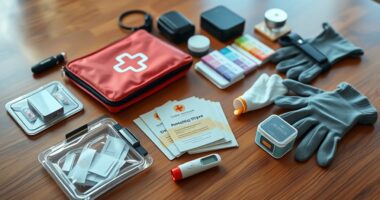
OSHA guidelines for caregivers emphasize the importance of hazard communication and emergency preparedness to keep you and your patients safe. You’ll need to identify potential hazards, label chemicals properly, and keep safety data accessible. Regular drills and clear protocols help you respond effectively during emergencies like fires or chemical spills. Staying compliant also involves documenting safety procedures and continuously updating your knowledge. To learn more about implementing these essential safety measures, keep exploring the resources available to you.

Turn quiet afternoons into listening time
- Thousands of audiobooks, podcasts and originals
- Listen on your phone, tablet or Echo — also offline
- Cancel anytime
Key Takeaways
- Review OSHA’s specific standards for healthcare and caregiving environments to ensure compliance and safety.
- Implement hazard communication protocols, including proper labeling and accessible Safety Data Sheets (SDS).
- Develop and regularly update emergency response plans tailored to caregiving settings.
- Conduct ongoing safety training for staff on hazard recognition and emergency procedures.
- Maintain thorough documentation of safety practices and perform continuous reviews to improve workplace safety.
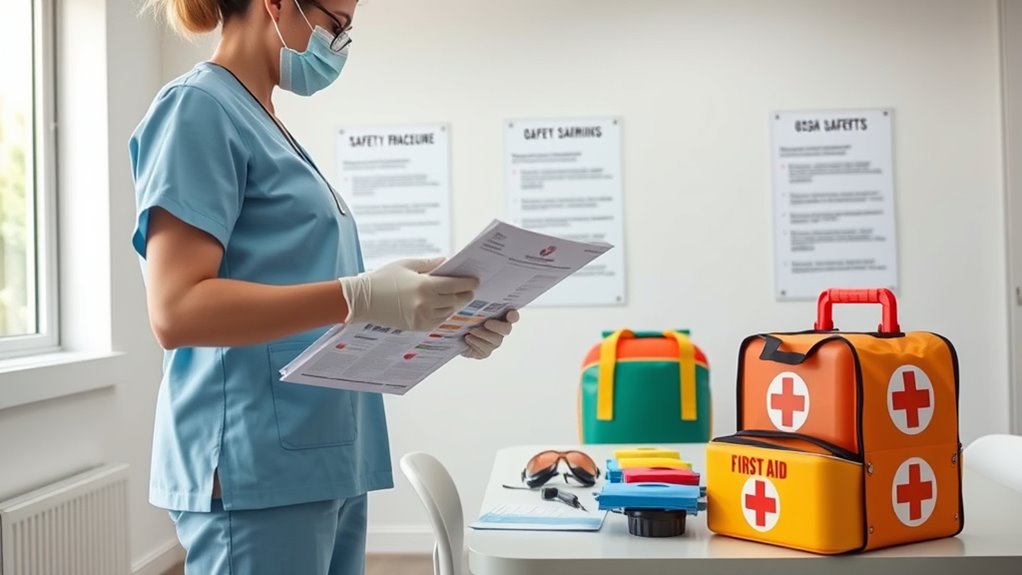
Ensuring workplace safety is essential for protecting employees and maintaining productivity. When you’re responsible for caregiving in a healthcare or similar environment, understanding and implementing OSHA guidelines can make a significant difference. Two critical elements in these guidelines are hazard communication and emergency preparedness. Hazard communication involves clearly identifying and conveying information about potential hazards in your workplace. You need to guarantee that all staff members are aware of chemical risks, biological threats, or physical dangers present in the environment. This might include proper labeling of substances, maintaining safety data sheets, and providing training to recognize warning signs. By doing so, you empower everyone to handle materials safely and respond appropriately if an incident occurs.
Prioritize hazard communication and emergency preparedness to create a safer, more responsive healthcare environment.
Emergency preparedness is equally crucial. You should have a thorough plan that prepares your team for various emergencies, such as fires, medical crises, or natural disasters. Regular drills are essential, so staff can practice evacuation procedures or emergency response protocols. Make sure everyone knows where safety equipment like fire extinguishers, first aid kits, and emergency exits are located. Clear communication channels are essential during crises, so establish procedures for quickly notifying staff and coordinating responses. This preparedness minimizes confusion and panic, ensuring that everyone can act swiftly to protect themselves and others.
In practice, hazard communication and emergency preparedness are interconnected. For example, if a chemical spill occurs, proper hazard communication protocols help staff recognize the danger immediately, and your emergency plan guides their response. You should also keep safety information easily accessible, posted in common areas, and regularly updated. Training sessions are invaluable; they reinforce your team’s understanding of hazards and rehearsals for emergencies. This ongoing education keeps safety top of mind and helps prevent accidents before they happen.
Furthermore, OSHA emphasizes the importance of documenting safety procedures and conduct regular reviews to adapt to new challenges. As a caregiver, you’re often on the front lines of safety, so staying informed about OSHA’s standards and integrating hazard communication and emergency preparedness into daily routines are essential steps. Regularly reviewing cybersecurity measures, such as protecting sensitive patient data, is also vital to prevent breaches that could compromise safety. These practices don’t just protect your team—they create a culture of safety that benefits everyone involved. When you prioritize these elements, you’re not only complying with regulations but also fostering a safer, more confident workplace where both staff and patients can thrive.
As an affiliate, we earn on qualifying purchases.
Frequently Asked Questions
How Often Should Caregivers Review OSHA Safety Protocols?
You should review OSHA safety protocols at least annually, aligning with your training schedules. Regular reviews guarantee you stay compliant and aware of any updates. Additionally, participate in compliance audits periodically to identify and address safety gaps. Frequent review not only keeps you prepared but also fosters a safe environment for both caregivers and clients. Consistent adherence to safety protocols minimizes risks and demonstrates your commitment to workplace safety.
Are There Specific OSHA Standards for In-Home Caregiver Settings?
In-home safety is a tightrope walk, demanding careful attention to OSHA standards. While OSHA doesn’t have specific regulations solely for in-home caregivers, you must follow general industry safety guidelines and best practices. Caregiver training becomes your safety net, ensuring you understand hazards and proper procedures. Regularly reviewing OSHA guidelines helps you stay compliant and protect both yourself and your clients, turning your home environment into a safe haven.
What PPE Is Recommended for Caregivers Handling Infectious Materials?
When handling infectious materials, you should wear appropriate personal protective equipment (PPE) to guarantee your safety. This includes gloves, gowns, masks, and eye protection like goggles or face shields. PPE acts as a barrier, preventing contact with infectious materials and reducing your risk of contamination. Always follow OSHA guidelines and your organization’s protocols to select and properly use the necessary PPE, especially when dealing with potentially infectious substances.
How Can Caregivers Report Unsafe Working Conditions Anonymously?
Imagine shining a spotlight on hidden safety issues—this is what anonymous reporting does. You can easily submit concerns through dedicated hotlines or online portals, ensuring your identity stays protected. These reports feed into safety audits, helping identify hazards and improve working conditions. By taking this step, you actively contribute to a safer environment, empowering you and your colleagues to work confidently, knowing your concerns are heard and addressed without fear.
Does OSHA Provide Training Resources Tailored for Family Caregivers?
Yes, OSHA offers training resources tailored for family caregivers, including guidance on workplace ergonomics and emergency preparedness. You can access these materials through OSHA’s website, which provides online modules and safety tips to help you create a safer environment. These resources help you understand best practices, reduce injury risks, and prepare for emergencies, ensuring both your safety and that of those you care for.
Conclusion
By following OSHA guidelines, you’re not just staying safe—you’re building an impenetrable fortress of protection around yourself. Imagine a world where accidents vanish, injuries become ancient history, and your workplace becomes a sanctuary of health and security. With these resources, you’ll turn everyday tasks into a safety masterpiece, preventing chaos before it starts. Embrace these guidelines now, and watch your workplace transform into a fortress so secure, even unicorns would envy it!
Cold & flu season Picks
humidifiers
As an affiliate, we earn on qualifying purchases.